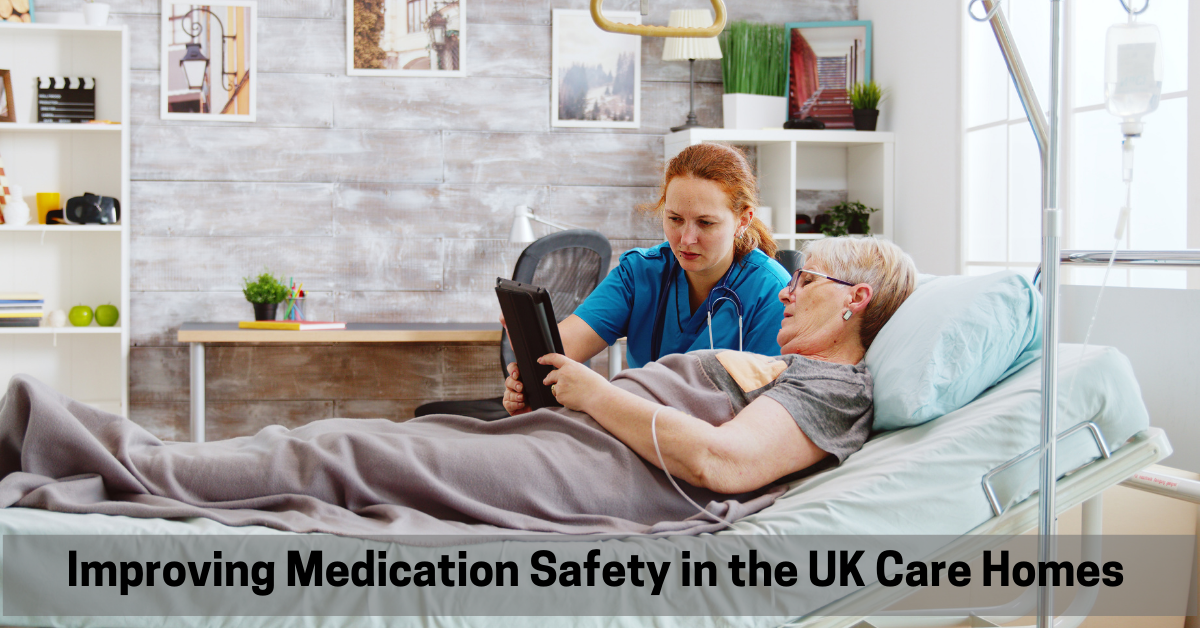
Medication safety is an important aspect in care home settings, as residents often have complex medication regimens. Medication errors can lead to serious consequences such as underdose, overdose, delayed treatment,…
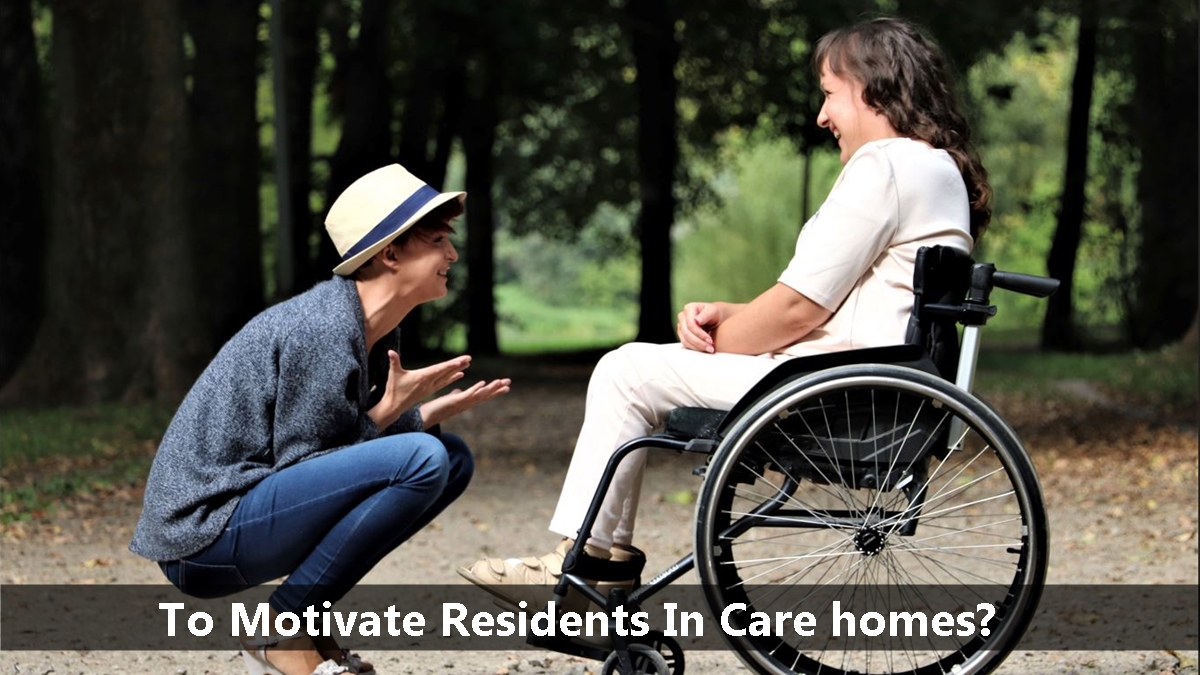
Often as people age, they feel lost in their lives. Without a sense of purpose, they may feel unmotivated, hopeless or self-critical – which in turn can have an adverse…
A visit to a GP is an opportunity for the care home staff to proactively address the health needs of the residents. When health issues are communicated to the GP…
While necessary training and skills are a must to meet the job requirements, caregivers must also possess professional etiquette. An important skill, professional etiquette, is creating a mutually respectful work…
People move into a care home for different reasons and periods of time. For some, it is a short-term stay for respite care, whereas for others it may be a…
Caring for patients/residents in care homes involves more than just aiding them with proper diet and safe mobility; problem-solving, careful planning, etc. are some of the skills required in professional…
Providing quality care to ensure the well-being of patients is the main objective of every care home. However, complications in medication administration and special care required for differently-abled patients and…
Medication administration is one of the key responsibilities of a care worker. Medication documentation when done accurately helps in effectively treating the patients/care home residents. MAR (Medical Administration Record) sheets/charts…
For care home staff, time management plays a key role in meeting the healthcare needs of the residents. With a myriad of tasks to be completed every day, efficiently managing…