eMAR supporting person-centred care

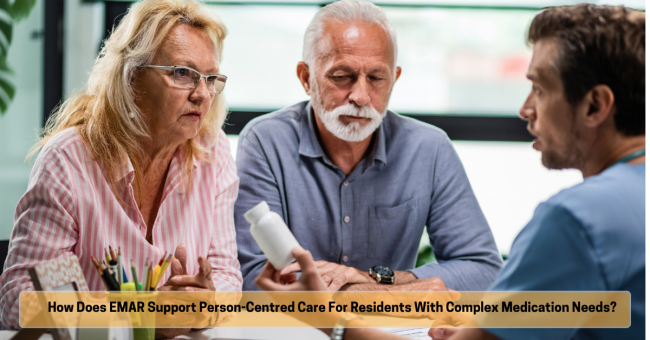
How does eMAR support person-centred care for residents with complex medication needs?

Residents with complex medication needs more than routine medicine rounds. Many take several medicines at different times, need dose changes, or have conditions such as dementia, diabetes, epilepsy, or poor kidney function. In these cases, person-centred care is essential because it treats the resident as an individual, not as a task on a list. Staff…
Electronic MAR system

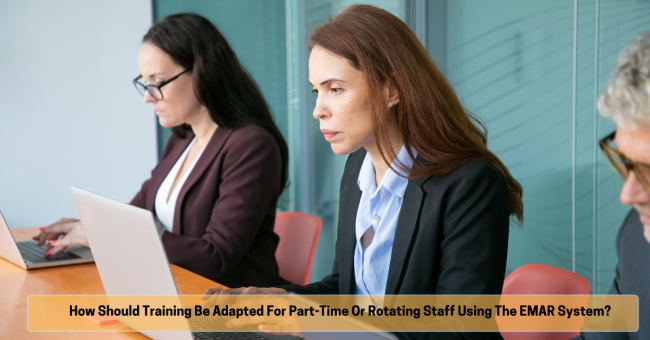
How should training be adapted for part-time or rotating staff using the eMAR system?

Electronic Medication Administration Record (eMAR) systems improve accuracy, reduce medication errors, and support safer care. Yet these benefits depend on staff confidence and consistency. Part-time staff and staff on rotating shifts often face a different reality from full-time teams: fewer system hours, longer gaps between shifts, and less exposure to updates or new workflows. For…

eMAR system preventing missed doses

How do you monitor and investigate patterns of missed doses within the eMAR audit logs?

Missed doses can put patients at risk, delay treatment, and weaken trust in the medication process. An  electronic medication administration record (eMAR) helps staff spot these events quickly. A strong review process does more than count missed doses. It helps teams identify patterns, find root causes, and fix weaknesses in workflow, staffing, communication, or system…

eMAR for personalised medication timing

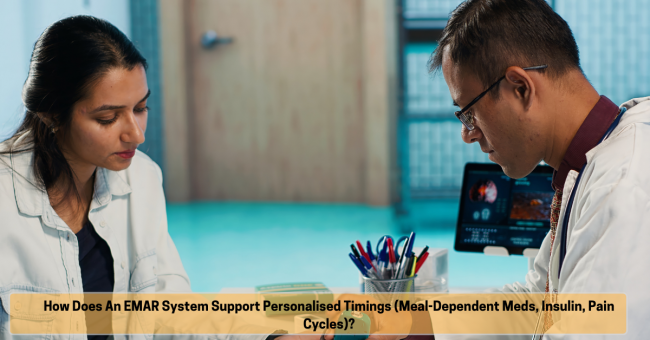
 How does an eMAR system support personalised timings (meal-dependent meds, insulin, pain cycles)?

In a care home, safe medicines management depends on more than the correct drug and dose. Timing matters too. Some medicines need food, some need an empty stomach, some must match insulin and meals, and some need careful spacing to keep pain under control. When timing slips, outcomes can change quickly.  For care home managers,…

Electronic MAR system

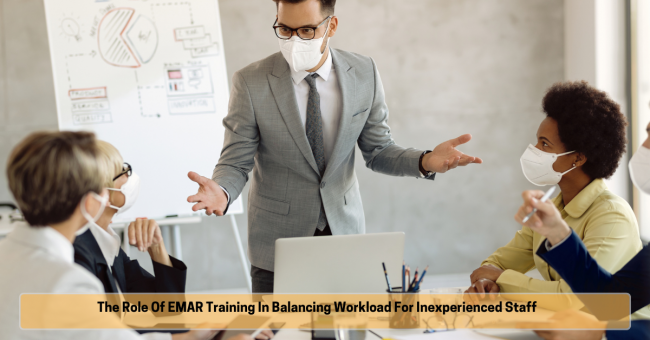
The role of eMAR training in balancing workload for inexperienced staff

In healthcare settings, eMAR training matters because it gives new staff the knowledge to use the system correctly and efficiently. When staff understand the system early, they complete tasks with less confusion and place less pressure on the wider team. Good training does not only teach button use; it helps staff manage workload in a…

eMAR improving team communication

How can eMAR improve communication between departments?

Effective communication across healthcare departments is an important aspect of high-quality patient care. In settings such as hospitals and care homes, multiple professionals contribute to a single patient’s treatment plan. Nurses administer medication, doctors prescribe it, and pharmacists verify it. When information does not flow clearly between these roles, even small gaps can lead to…

Electronic medication administration record

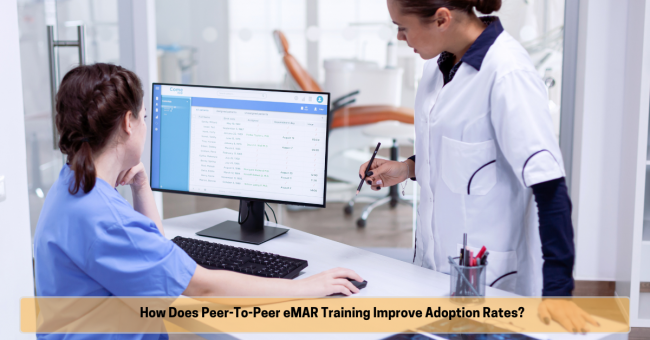
How does peer-to-peer eMAR training improve adoption rates?

The move from paper medication administration records to electronic medication administration records (eMAR) is a major change for any care setting. Staff must adjust to a new system, new routines, and new expectations around accuracy, speed, and accountability. Even when the benefits of eMAR are clear, adoption can still be slow if staff feel uncertain,…

What Are the Legal Responsibilities of Staff Using Emar

What Are the Legal Responsibilities of Staff Using Emar?

Electronic Medication Administration Records (eMAR) have become a standard tool in the UK healthcare settings. They offer a digital method of recording, tracking, and managing medication administration. While the eMAR system brings greater accuracy, transparency, and efficiency, it also imposes clear legal responsibilities on healthcare professionals. Staff who use eMAR systems must follow strict legal…